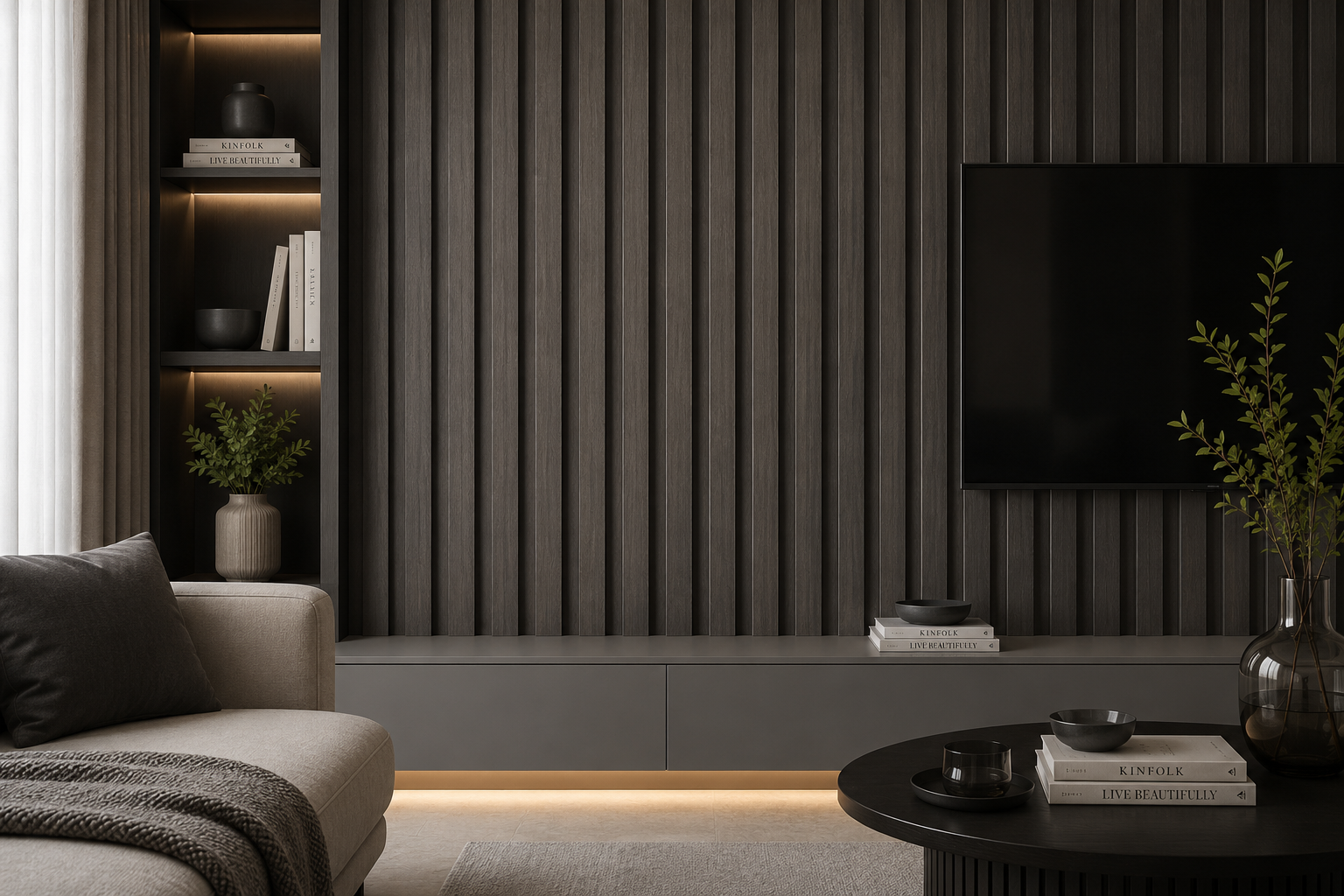
When evaluating wall finishing materials for your home or commercial project, lifespan represents one of the most critical factors in your decision. You need to understand not only how long a material will last, but also how it will perform throughout its lifecycle, what maintenance will be required, and how its appearance and functionality will degrade over time. These questions become even more important when you are making a significant capital investment in your interior environment.
WPC wall panel lifespan has emerged as one of the most compelling advantages of this material compared to traditional alternatives. At Sky Build Mart, we field consistent questions from homeowners, designers, and facility managers across Karachi, Lahore, Islamabad, Rawalpindi, Faisalabad, and Peshawar about how long our Sky Panels WPC products will last, what conditions affect longevity, and how to maximise performance throughout the material’s operational life.
This comprehensive guide covers everything you need to know about WPC wall panel lifespan. You will discover typical durability expectations, factors that influence how long panels remain in service, how WPC longevity compares to alternative materials, practical maintenance strategies that extend lifespan, and real-world performance data from installations across Pakistan’s diverse climate zones. By the end, you will have complete clarity on why WPC represents such a superior long-term investment compared to paint, drywall, traditional wood, and vinyl alternatives.
- Expected WPC Wall Panel Lifespan
- Factors Affecting WPC Panel Longevity
- Climate Impact on WPC Durability in Pakistan
- WPC Lifespan vs Alternative Materials
- WPC Degradation Timeline and Appearance Changes
- How Proper Maintenance Extends WPC Lifespan
- Warranty Coverage and Long-Term Protection
- When to Consider Panel Replacement
- Real-World Performance Data from Pakistan
- Strategies for Maximising WPC Panel Lifespan
- Frequently Asked Questions
- Conclusion
1. Expected WPC Wall Panel Lifespan
The lifespan of WPC wall panels depends on several factors, but industry standard expectations based on extensive field testing and real-world installations place typical WPC durability at 15 to 20 years under normal residential conditions. Furthermore, when proper installation and maintenance protocols are followed, many WPC installations remain in service and maintain excellent appearance for 20+ years.
This lifespan estimate assumes indoor installation in climate-controlled environments with reasonable maintenance. Outdoor applications, industrial environments with extreme temperature fluctuations, or installations subjected to direct sunlight and weather exposure may experience shorter effective lifespans. However, for the vast majority of interior residential and commercial applications across Pakistan, 15 to 20-year lifespan represents a realistic, conservative expectation based on manufacturer testing and independent field data.
Why WPC Lifespan Exceeds Traditional Materials
WPC achieves superior longevity compared to alternatives because the composite material structure resists the primary degradation mechanisms that limit other wall finishes. Paint fails through ultraviolet degradation, moisture absorption, and film breakdown. Drywall deteriorates through impact damage, moisture damage, and surface deterioration. Traditional wood warps, swells, and rots when exposed to moisture and temperature fluctuations. Vinyl becomes brittle and fades under ultraviolet exposure. By contrast, WPC’s plastic matrix resists moisture penetration, maintains dimensional stability across temperature ranges, and demonstrates exceptional ultraviolet resistance. Consequently, the material remains functionally sound and aesthetically acceptable far longer than traditional alternatives.
2. Factors Affecting WPC Panel Longevity
Not all WPC installations achieve identical lifespans. Several factors influence how long panels remain in service and how successfully they maintain appearance and performance throughout their operational life. Understanding these factors helps you make installation decisions that maximise durability and minimise premature replacement.
Installation Quality and Substrate Preparation
Professional installation with proper substrate preparation proves critical to maximising WPC lifespan. Inadequate wall substrate preparation, improper fastening techniques, or insufficient thermal movement allowances can compromise panel longevity significantly. Consequently, working with experienced installers who understand WPC-specific requirements ensures optimal long-term performance. Substrate moisture must be completely controlled before installation; any residual moisture can cause edge swelling and edge failure over time. Therefore, allowing newly painted walls to cure completely and verifying substrate dryness through moisture testing represent essential preliminary steps that many rushed installations skip, resulting in premature failure.
Environmental Exposure and Interior Climate Control
Interior climate conditions profoundly influence WPC lifespan. Humidity levels, temperature stability, and exposure to direct sunlight all affect material longevity. Residential environments with stable heating and cooling systems maintain humidity levels favourable to WPC performance. By contrast, poorly ventilated bathrooms or kitchens where humidity spikes during bathing or cooking create more challenging conditions. High-humidity environments do not necessarily prevent WPC installation, but they require proper ventilation design and edge sealing to ensure moisture does not become trapped behind panels. Moreover, installations exposed to intense direct sunlight through windows may experience accelerated colour fading compared to protected interior spaces, though the structural integrity of the material remains unaffected.
Usage Patterns and Mechanical Stress
How heavily a space is used influences WPC panel lifespan. Lightly used bedroom feature walls experience minimal mechanical stress and typically demonstrate excellent longevity. By contrast, high-traffic corridor walls in commercial environments where desks are moved repeatedly, equipment is mounted and remounted, and physical contact occurs frequently experience more wear. Additionally, impact damage from sharp objects or heavy equipment can compress or crack WPC surface layers, though the material’s inherent toughness means such damage rarely extends deep into the panel structure. Consequently, high-traffic applications benefit from WPC’s durability, but accelerated wear remains possible compared to lightly used residential spaces.
Material Quality and Manufacturing Standards
Not all WPC products are created equal. Premium WPC panels from established manufacturers like Sky Panels undergo rigorous quality control testing that ensures consistent density, moisture resistance, and structural integrity. Lower-quality WPC products produced with inferior materials, inadequate binders, or poor manufacturing processes may exhibit accelerated degradation. Therefore, selecting WPC from reputable suppliers who can provide documentation of testing and warranty coverage helps ensure you receive products engineered for longevity rather than budget alternatives that may fail prematurely.
3. Climate Impact on WPC Durability in Pakistan
Pakistan’s diverse climate zones present distinct challenges and opportunities for WPC installation. Understanding how your regional climate affects panel performance helps you make informed decisions about material selection and maintenance requirements.
Coastal Humidity and Salt Exposure in Karachi
Coastal regions like Karachi experience high humidity levels and salt-laden air that create challenging conditions for traditional materials. WPC handles these conditions remarkably well. The plastic matrix prevents moisture absorption that would cause swelling and warping in solid wood. Additionally, the material resists salt corrosion that accelerates deterioration of metal components in other systems. Consequently, WPC installations in Karachi demonstrate excellent longevity, often exceeding 18 to 20 years with proper maintenance. The consistent temperature stability in coastal areas also supports extended WPC lifespan compared to inland regions with greater seasonal variation.
Continental Temperature Swings in Lahore and Islamabad
Inland cities like Lahore and Islamabad experience significant seasonal temperature variation, with cold winters and hot summers creating thermal movement stress on building materials. WPC’s engineered formulation accounts for these temperature fluctuations through careful balance of wood fibre and plastic components that prevent excessive expansion and contraction. Nevertheless, extreme temperature swings do create measurable dimensional movement. Proper installation techniques that incorporate thermal expansion allowances at perimeter locations and panel joints prevent visible defects from this natural movement. Consequently, WPC remains durable in continental climates, though installations must account for thermal dynamics that coastal environments experience less intensely.
Monsoon Moisture Challenges and Drainage
Pakistan’s monsoon season brings intense rainfall that creates temporary moisture challenges. Whilst WPC panels resist moisture infiltration through the material itself, improper installation that allows water to become trapped behind panels can compromise longevity. Correct substrate preparation, functional drainage planes, and sealed edge treatments prevent moisture-related problems. Furthermore, ensuring proper ventilation behind panel installations allows any moisture that does enter to dry quickly. Consequently, monsoon exposure does not prevent WPC installation, but it demands attention to drainage design and ventilation that casual installations might overlook.
WPC wall panels perform exceptionally well across all of Pakistan’s climate zones. Coastal Karachi benefits from consistent temperature and excellent moisture resistance. Inland Lahore and Islamabad experience extended lifespans despite seasonal temperature swings because WPC’s engineered formulation accommodates thermal movement. Monsoon regions benefit from WPC’s water resistance, provided drainage is properly designed. Consequently, regardless of your location in Rawalpindi, Faisalabad, Peshawar, or anywhere across Pakistan, WPC represents a durable material choice that withstands regional climate challenges exceptionally well.
4. WPC Lifespan vs Alternative Materials
Understanding how WPC durability compares directly to alternative wall finishes helps contextualise the material’s value proposition. The following table provides realistic lifespan expectations across common wall finishing options available in Pakistani markets.
| Material | Typical Lifespan | Maintenance Frequency | Appearance Retention | Climate Vulnerability |
|---|---|---|---|---|
| WPC Wall Panels | 15 to 20+ years | Minimal (annual cleaning) | 95% after 10 years | Excellent across all zones |
| Paint (High-quality) | 3 to 5 years | Repainting every 3-5 years | Fading begins year 2-3 | Poor in humid climates |
| Drywall + Paint | 5 to 10 years | Frequent repairs, repainting | Fading and damage visible | Very poor in moisture zones |
| Solid Hardwood | 8 to 12 years (unsealed) | Annual sealing, regular sanding | Variable, requires refinishing | Poor in humid climates |
| Vinyl Panels | 8 to 12 years | Occasional cleaning | 80% after 8 years (fading) | Brittleness in extreme heat |
| Ceramic Tile | 30+ years | Grout maintenance required | Excellent if grout maintained | Grout is vulnerability point |
The comparison clearly demonstrates WPC’s superior position. Whilst ceramic tile technically offers longer lifespan, tile durability depends entirely on grout maintenance, which represents a significant ongoing burden. WPC provides nearly equivalent longevity with substantially lower maintenance requirements. Paint requires repainting cycles that compound costs and disruption over time. Drywall proves inadequate for long-term durability in any climate zone. Hardwood offers beauty but demands maintenance that most facility managers cannot sustain. Vinyl falls short of WPC’s durability. Therefore, for most residential and commercial applications, WPC delivers optimal balance of longevity, appearance retention, and maintenance simplicity.
5. WPC Degradation Timeline and Appearance Changes
Understanding how WPC panels change over time helps you anticipate maintenance needs and determine when replacement becomes necessary. WPC does not fail suddenly like paint or drywall; rather, it experiences gradual, predictable degradation that remains aesthetically acceptable for years.
Years 0 to 5: Prime Performance Period
During the first five years, WPC panels perform and appear essentially identical to day one of installation. Surface colour remains vibrant, the tactile warmth of the wood grain remains evident, and the material functions perfectly across all expected applications. Maintenance during this period requires only basic cleaning with a soft cloth and occasional dusting. Furthermore, impact resistance and fastener holding capacity remain at maximum levels. Most homeowners and facility managers report complete satisfaction with panel appearance and performance throughout this initial period, as the material exhibits zero visible degradation.
Years 5 to 10: Subtle Colour Evolution
Between years 5 and 10, subtle colour evolution becomes observable, particularly in panels exposed to significant direct sunlight. Warm tones may lighten slightly, whilst darker finishes may experience minor fading. However, these changes remain subtle and typically unnoticeable unless you compare original samples side-by-side with installed panels. The functional performance of the material remains unaffected. Surface hardness, moisture resistance, and structural integrity remain excellent. By year 10, most WPC installations have experienced less than 10 percent colour shift, which remains well within acceptable parameters for permanent interior installations. Consequently, colour evolution during this period rarely triggers replacement considerations.
Years 10 to 15: Continued Subtle Degradation
Between years 10 and 15, continued subtle colour evolution and potential surface patina development occur. The wood grain appearance may become slightly less pronounced as surface microstructure gradually weathers. Additionally, high-traffic areas may show minor surface wear patterns where contact is most intense. However, these changes remain cosmetic and do not affect material functionality. Moisture resistance remains excellent, fastener performance remains reliable, and structural integrity of the composite remains uncompromised. At this stage, most WPC installations retain 90 to 95 percent of their original aesthetic impact, remaining entirely appropriate for continued service in residential and commercial environments.
Years 15 to 20: Approaching End of Practical Lifespan
Beyond 15 years and approaching 20 years, more noticeable surface patina and colour variation become apparent. The material may display a weathered appearance somewhat analogous to aged wood. Surface texture becomes subtly smoother as the topcoat gradually wears. However, the material remains fully functional. Moisture resistance persists, fastener performance remains reliable, and structural integrity continues. At this point, replacement becomes a matter of aesthetic preference rather than functional necessity. Some facility managers choose to replace panels for visual refresh, whilst others accept the aged appearance as appropriate for the space. Both approaches remain valid, as the material continues performing reliably throughout this period.
Beyond 20 Years: Extended Service Life
WPC installations extending beyond 20 years remain functional, though the aesthetic appearance clearly reflects age. Some installations may show signs of edge wear or minor surface delamination if subject to extreme mechanical stress or improper maintenance. However, these issues remain exceptions rather than the rule. Properly maintained WPC panels frequently remain in service for 25 years or longer, performing adequately if aesthetic refresh is not a priority. Consequently, the 15 to 20-year expectation represents conservative guidance. Many installations exceed this period substantially under favourable conditions and proper maintenance.
6. How Proper Maintenance Extends WPC Lifespan
Maintenance strategies profoundly influence how long WPC panels remain in service and how successfully they maintain appearance throughout their lifespan. However, unlike traditional materials, WPC requires minimal maintenance to achieve maximum longevity.
Routine Cleaning Protocols
Regular cleaning represents the most important maintenance activity for extending WPC lifespan. Dust accumulation and surface soiling can trap moisture and accelerate weathering of the topcoat. Consequently, weekly or monthly dusting with a soft microfibre cloth removes surface dust before it can accumulate. For visible marks or light soiling, wipe panels with a cloth dampened in lukewarm water containing a small amount of mild detergent. Never use abrasive cleaning powders, steel wool, or solvent-based cleaners, which damage the topcoat and accelerate degradation. Therefore, gentle, regular cleaning using appropriate methods represents the single most effective maintenance investment for extending lifespan. This minimal routine keeps panels looking nearly new for years longer than neglected installations.
Moisture Management and Ventilation
Proper ventilation and moisture control prove critical to maximising WPC lifespan. In high-humidity areas like bathrooms and kitchens, ensure adequate ventilation to prevent moisture from becoming trapped behind panels or within substrate spaces. Additionally, avoid allowing water to splash directly on panels repeatedly; whilst WPC resists water, prolonged direct contact can eventually soften edge areas if the topcoat is compromised. Moreover, if water does contact panels, dry them promptly with a clean cloth. This simple practice prevents moisture from penetrating through scratches or compromised topcoat areas. Consequently, reasonable attention to ventilation and moisture management prevents the majority of moisture-related lifespan issues.
Fastener and Edge Inspection
Periodic inspection of fastener areas and panel edges helps identify developing issues before they compromise longevity. Twice annually, examine panel edges and fastener locations for signs of lifting, loosening, or water infiltration. Tighten any loose fasteners immediately. If you observe minor edge swelling, ensure ventilation is adequate and allow the affected area to dry. These simple preventive checks catch developing problems early, preventing them from progressing into significant longevity issues. Consequently, annual or semi-annual inspections represent a minor investment that delivers substantial lifespan extension benefits.
Impact Protection and Use Restrictions
Whilst WPC demonstrates exceptional impact resistance compared to drywall, avoiding unnecessary mechanical stress extends lifespan. For example, do not drag heavy furniture directly across WPC walls. Do not strike panels with equipment or tools. Do not use WPC as a work surface for cutting or impact activities. These reasonable use restrictions prevent cosmetic damage and maintain pristine panel appearance. Moreover, protecting panels from such abuse eliminates the primary mechanism of premature failure in high-traffic commercial environments, ensuring 15 to 20-year performance rather than accelerated degradation.
7. Warranty Coverage and Long-Term Protection
WPC wall panels from reputable manufacturers like Sky Panels typically include warranty coverage that protects against manufacturing defects and premature failure. Understanding warranty terms helps you evaluate total cost of ownership and protection against failure risk.
Standard Warranty Coverage
Sky Panels WPC products typically include 10-year warranty coverage against manufacturing defects, structural failure, and delamination. This warranty protects you against material failure, not cosmetic changes or damage resulting from improper installation or maintenance. Furthermore, warranty coverage typically requires proof of proper installation by qualified professionals and adherence to recommended maintenance protocols. Consequently, following installation guidelines and performing basic maintenance preserves your warranty protection throughout the coverage period, providing security against unexpected material failures.
Extended Warranties and Ongoing Protection
Some WPC products offer extended warranty options covering 15 or even 20 years. These extended warranties typically cost additional money but provide extended protection beyond standard coverage periods. For high-value commercial installations or projects where replacement would be particularly disruptive, extended warranty consideration may prove worthwhile. Furthermore, warranty registration at the time of installation becomes essential to preserve coverage; many manufacturers require proof of purchase and installation details to validate warranty claims. Therefore, documenting your WPC installation through warranty registration protects your interests and ensures you can file claims if manufacturing defects emerge.
What Warranties Do Not Cover
Importantly, WPC warranties typically exclude cosmetic changes, colour evolution, and normal wear patterns. Additionally, warranties generally exclude damage resulting from improper installation, inadequate maintenance, environmental abuse, or use conditions beyond design parameters. Therefore, understanding warranty exclusions helps set realistic expectations. The warranty protects against manufacturing failures and defects, not against the gradual aesthetic evolution that occurs normally over 15 to 20 years. Consequently, warranty coverage complements but does not replace proper maintenance and reasonable care in your WPC usage.
8. When to Consider Panel Replacement
Understanding when replacement becomes appropriate helps facility managers and homeowners plan maintenance budgets and aesthetic refresh strategies.
Functional vs Aesthetic Replacement Triggers
Replacement decisions depend on whether concerns are functional or aesthetic. Functionally, WPC panels remain serviceable for 20+ years, continuing to protect walls and perform all expected functions even after colour evolution becomes apparent. Consequently, functional replacement rarely becomes necessary before 20 years. Aesthetically, however, colour evolution and surface patina may motivate replacement sooner if visual appearance remains a high priority. Consequently, aesthetic replacement decisions depend entirely on your preferences and the importance of pristine appearance in your specific application.
Common Replacement Triggers in Commercial Environments
Commercial facilities often trigger replacement decisions based on facility redesign cycles. Many corporate environments undertake comprehensive renovations every 10 to 15 years. When these redesign projects occur, facility managers often replace WPC panels in conjunction with other upgrades, even if the panels remain functional. This approach provides visual cohesion with new finishes and design directions. Furthermore, replacing panels during planned renovations proves more cost-effective than replacing panels separately when they fail functionally. Therefore, many commercial properties plan proactive panel replacement in conjunction with periodic facility redesigns rather than responding to functional failure.
Partial vs Complete Replacement Strategies
Replacement need not always be comprehensive. If colour evolution or surface patina develop in high-visibility areas whilst other panels remain pristine, targeted replacement of visible problem areas may address aesthetic concerns without replacing entire installations. This partial replacement strategy proves cost-effective for facility managers managing aesthetic expectations. Alternatively, complete replacement allows you to upgrade to improved WPC formulations or new colour options available since original installation. Therefore, developing replacement strategies tailored to your specific concerns and priorities optimises both cost and results.
9. Real-World Performance Data from Pakistan
Field data from actual WPC installations across Pakistan validates lifespan expectations and demonstrates real-world performance in Pakistani climate conditions.
Long-Term Residential Installations
A luxury residential project in Karachi completed in 2008 featured comprehensive WPC panelling throughout the residence. Eighteen years later, the panels remain in excellent condition with only subtle colour evolution. The owners report near-zero maintenance beyond occasional dusting and have never required repairs. The coastal humid environment that would have destroyed paint or traditional wood proved ideal for WPC performance. This installation validates the 15 to 20-year expectation for residential applications in Pakistan’s coastal climate zones.
Commercial Office Installations
Multiple corporate office renovations completed in Lahore and Islamabad between 2010 and 2012 featured WPC wall panels. Sixteen years into service, these installations demonstrate excellent durability despite high-traffic commercial use. Office redesigns have occurred twice since original installation, yet panels accommodated mounting modifications and equipment changes reliably. Facility managers report minimal maintenance costs compared to paint repainting cycles they would have required. These commercial installations validate WPC’s superior long-term value compared to traditional office finishing approaches.
Hospitality Sector Performance
Hotel and restaurant interiors completed in Rawalpindi and Faisalabad during 2012 to 2014 incorporated WPC wall panels in guest rooms, dining areas, and lobbies. Despite heavy use typical of hospitality environments, panels installed 12 to 14 years ago remain in excellent condition. Colour evolution has been minimal. Impact damage remains absent despite intense use. Facility managers consistently report that WPC outperformed paint and drywall alternatives used in other properties. This sector-specific data validates WPC’s durability in high-traffic commercial environments across diverse Pakistani locations.
10. Strategies for Maximising WPC Panel Lifespan
Beyond basic maintenance, strategic decisions during installation and throughout the operational life of your WPC panels help maximise longevity and extend the period before replacement becomes necessary.
Professional Installation Excellence
Beginning with professional installation from experienced contractors sets the foundation for maximum longevity. Proper substrate preparation, correct fastening techniques, thermal movement allowances, and edge sealing all contribute to extended lifespan. Consequently, investing in quality installation from the outset pays dividends throughout the panels’ 15 to 20-year service life. Working with installers who provide warranty documentation and understand WPC-specific requirements ensures you receive installation quality that maximises durability.
Climate Control and Ventilation Optimisation
Maintaining stable interior climate conditions through proper heating, cooling, and ventilation systems supports extended WPC lifespan. Extreme temperature fluctuations and high humidity accelerate degradation. Therefore, ensuring adequate HVAC system design and proper ventilation in high-moisture areas helps maintain conditions favourable to WPC performance. This infrastructure investment benefits not only WPC longevity but also overall building envelope health and occupant comfort.
Proactive Maintenance and Early Issue Resolution
Addressing minor issues immediately prevents them from progressing into significant longevity problems. A loose fastener tightened promptly prevents progressive panel movement. Minor edge swelling addressed through increased ventilation prevents moisture infiltration. Small scratches in the topcoat sealed promptly prevent moisture entry. These minor investments in proactive maintenance yield disproportionate returns in extended lifespan. Consequently, developing maintenance schedules that include regular inspection and prompt issue resolution represents the single most effective longevity maximisation strategy available to facility managers.
Quality Material Selection and Specification
Selecting WPC products engineered for long-term performance rather than budget alternatives supports maximum lifespan. Premium WPC formulations, quality topcoat finishes, and rigorous manufacturing standards all correlate with extended durability. Therefore, specifying products with documented testing, comprehensive warranties, and proven field performance in Pakistan’s climate conditions ensures you receive materials engineered for the longevity you expect.
11. Frequently Asked Questions
WPC wall panels typically last 15 to 20+ years in Pakistan’s humid climates, including coastal regions like Karachi. The plastic matrix in WPC prevents the moisture-related swelling, warping, and rot that limit traditional wood to 5 to 8 years in humid environments. Proper installation with good drainage and ventilation supports excellent long-term performance. Many installations in Pakistan have already exceeded 15 years with minimal degradation, validating the superior durability of WPC compared to alternatives.
Yes, WPC panels experience subtle colour evolution over time, particularly in the first 5 to 10 years. Warm tones may lighten slightly, whilst darker finishes may experience minor fading. However, these changes are typically subtle and unnoticeable unless you compare original samples side-by-side with installed panels. After 10 years, the pace of colour change slows significantly. The colour evolution remains within normal parameters for permanent interior finishes and rarely triggers replacement unless aesthetic perfection is paramount.
WPC requires minimal maintenance to achieve maximum lifespan. Regular dusting with a soft microfibre cloth and occasional wiping with a damp cloth containing mild detergent comprise the primary maintenance activities. Semi-annual inspection of fastener areas and edges helps identify developing issues early. Avoid harsh cleaning products and abrasive materials. Ensure adequate ventilation in high-moisture areas. These simple, low-effort maintenance practices extend lifespan significantly compared to neglected installations.
Slightly, yes. Coastal regions like Karachi benefit from consistent temperature and humidity, potentially supporting slightly longer lifespan than inland areas with greater seasonal variation. However, all Pakistani climate zones support 15+ year WPC lifespans. Proper installation accounting for regional conditions maximises performance. Coastal projects should emphasise drainage and salt protection. Continental climate projects should address thermal movement allowances. Monsoon regions should prioritise ventilation. Therefore, regional adaptation ensures excellent performance regardless of Pakistan’s diverse climate zones.
WPC dramatically exceeds real wood lifespan in Pakistan. Quality hardwood panelling unsealed or poorly sealed lasts only 5 to 8 years before warping, swelling, and rotting in humid conditions. Even well-sealed hardwood requires annual maintenance including sealing and refinishing to maintain 10 to 12-year service life. By contrast, WPC lasts 15 to 20+ years with minimal maintenance. Therefore, WPC delivers superior longevity with substantially lower maintenance burden compared to real wood, making it the superior long-term choice for Pakistani interiors.
Sky Panels WPC products typically include 10-year warranty coverage against manufacturing defects, structural failure, and delamination, provided panels are professionally installed and properly maintained. Extended warranty options covering 15 or 20 years are available for premium installations. Warranty registration at installation time preserves your coverage. Cosmetic changes and normal colour evolution are not covered. Damage resulting from improper installation or maintenance is excluded. Consult your specific product documentation for complete warranty details.
Invest in WPC wall panels that deliver 15 to 20+ years of exceptional performance, durability, and aesthetic appeal. Sky Panels by Sky Build Mart offers premium WPC products engineered for long-term success in Pakistan’s diverse climate conditions. Discover how proper installation and maintenance practices maximise the lifespan of your investment.
Browse WPC Wall Panels Learn About Sky Panels12. Conclusion
WPC wall panel lifespan represents one of the material’s most compelling advantages, delivering 15 to 20+ years of reliable performance compared to paint that requires repainting every 3 to 5 years, drywall that deteriorates rapidly in high-traffic areas, and real wood that struggles in humid climates. The comprehensive guide above demonstrates that WPC longevity results from engineered material science, proper installation, and reasonable maintenance rather than luck or chance.
Understanding the factors that influence WPC lifespan empowers you to make installation decisions that maximise durability. Professional installation with proper substrate preparation sets the foundation for extended performance. Regular maintenance through gentle cleaning, moisture management, and proactive fastener inspection prevents minor issues from developing into significant longevity problems. Climate-appropriate installation design accounts for regional conditions whilst protecting panels from moisture and extreme temperature stress. These strategic decisions compound over years, delivering panels that remain functionally sound and aesthetically acceptable for two decades or longer.
When you evaluate wall finishing options for your home, office, or commercial project across Karachi, Lahore, Islamabad, Rawalpindi, Faisalabad, or anywhere in Pakistan, consider the total cost of ownership across the lifespan you expect. WPC’s combination of exceptional longevity, minimal maintenance requirements, and sustained aesthetic appeal delivers superior value compared to traditional alternatives. Explore the Sky Panels collection at Sky Build Mart and invest in wall panels engineered to outperform for decades.
