Room guide
Wall panels for kitchen walls are a different decision from panels anywhere else in the house. Heat, grease, steam and daily scrubbing rule out most decorative finishes near the cooking area, yet the dining side of an open kitchen is one of the best places in a Karachi home for a feature wall. The trick is knowing which wall is which.
See UV marble sheetsThis guide divides the kitchen into zones, says honestly where panels and sheets belong and where tiles still win, and explains how to keep a panelled kitchen wall clean through years of cooking.
Where wall panels for kitchen walls belong, and where they do not
Think of the kitchen as three zones. Panels suit two of them.
- The cooking zone: behind and beside the hob, range and oven. Tiles or stainless steel only. Decorative panels, sheets and stickers do not belong here. Cooking heat and grease damage them, and the US National Fire Protection Association reports that cooking is the leading cause of home fires. Keep anything that contains plastic well away from flame.
- The wet zone: behind the sink and dishwasher. Tiles are still the safest. A UV marble sheet can work above a sink splashback if every joint and edge is sealed, but standing water finds any gap.
- The dry zone: the dining side, the breakfast bar front, the wall opposite the units and open-plan walls facing the lounge. This is where panels and sheets earn their place.
Best wall panels for kitchen dry zones
UV marble sheets
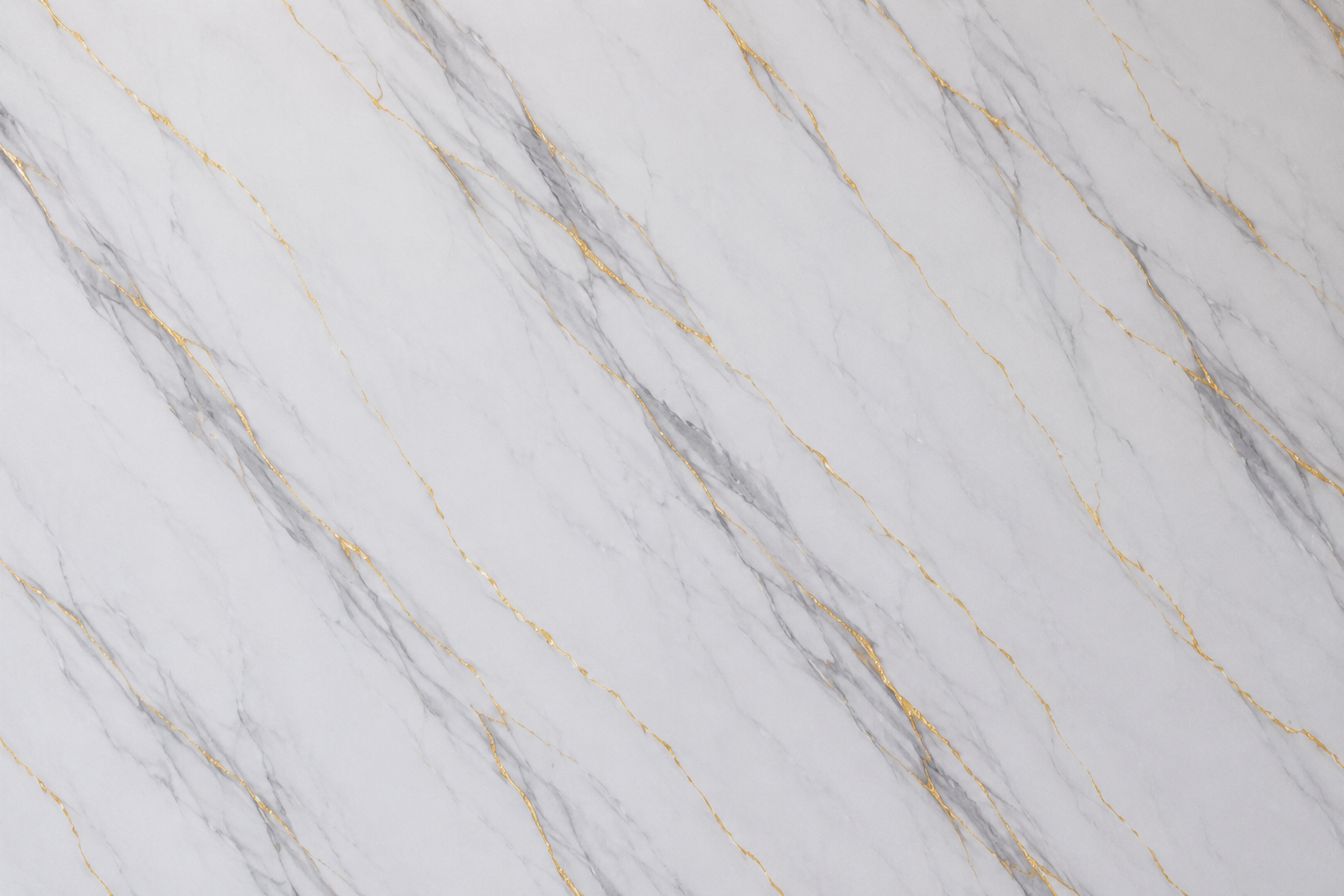
A UV marble sheet on the dining-side wall or breakfast bar front gives the kitchen a polished look and wipes clean in one pass. The glossy coated surface does not stain or etch the way real marble does when sauce or lemon juice touches it. Sheets cover a large area with few joints, which matters in a kitchen where every joint is a place for grease to settle. See our UV marble sheets Karachi page for designs and sheet sizes.
Flat wood grain panels
If you want warmth, flat wood grain panels are the right wood profile for a kitchen. There are no grooves to trap grease and dust, and the smooth face wipes clean. Fit them on the wall behind a dining table or along a corridor into the kitchen.
Round slat panels on a breakfast bar front
The front of a breakfast bar or island takes knees and stools. Round slat panels on a solid backing give it texture without sharp edges, and a plinth at the base keeps mop water off the cut edge.
Why not deep slats in a kitchen?
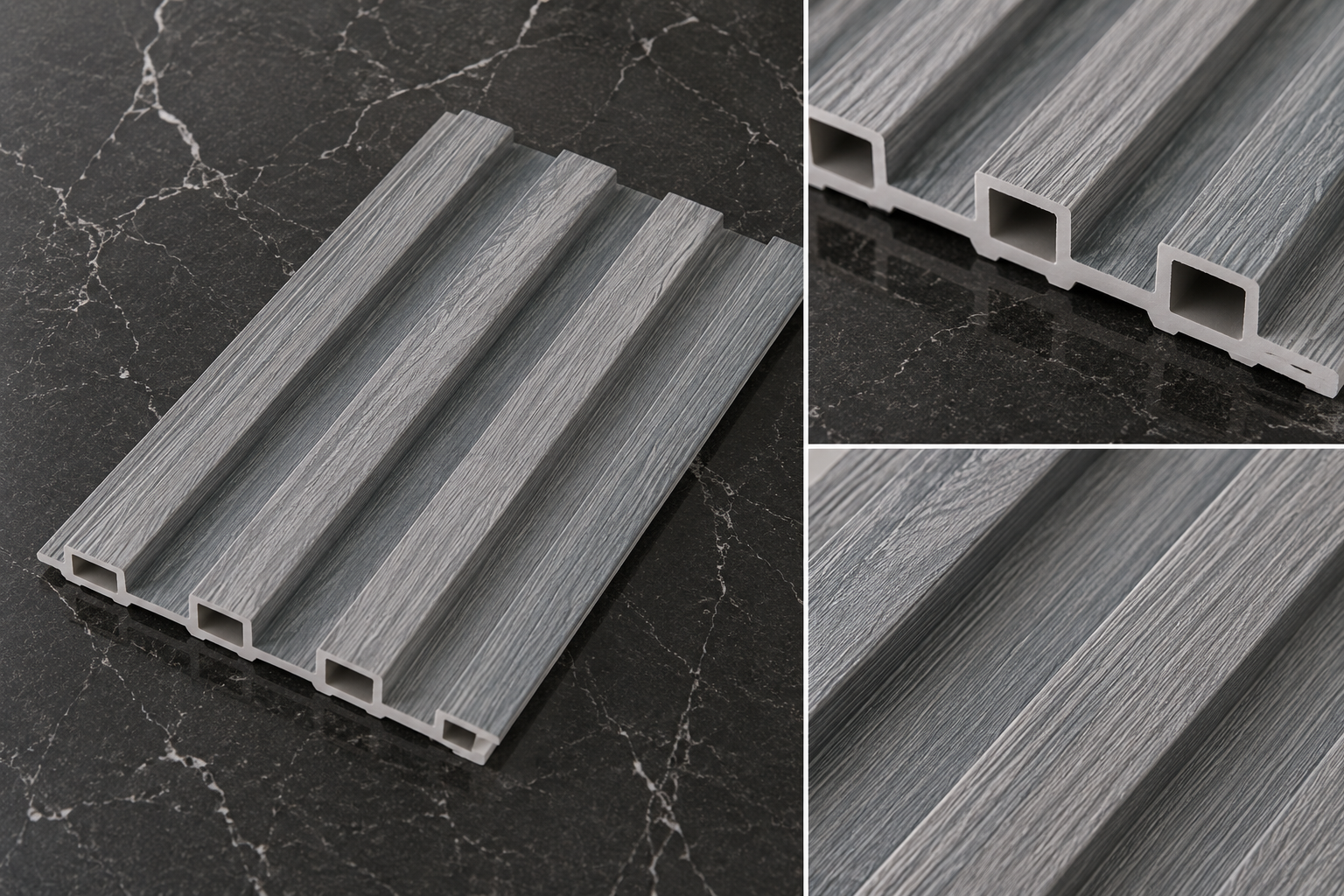
Deep fluted panels look striking, but every groove is a channel for airborne grease and Karachi dust. Within months the grooves need a brush, not a wipe. Save 24mm fluting for the lounge and use flat or round profiles anywhere cooking fumes reach.
Ventilation and grease
A good extractor hood over the hob decides how far grease travels. If your kitchen has a weak hood or none, assume grease reaches every wall and choose wipeable surfaces throughout. Open-plan kitchens send steam and fumes into the lounge, so the TV wall and dining wall in an open-plan home should also be wipeable finishes.
Cleaning wall panels in a kitchen
- Wipe splashes the same day with a soft cloth, warm water and a drop of dish soap.
- Degrease monthly with a mild kitchen cleaner on a cloth, never sprayed directly onto joints.
- Dry after wiping so water does not sit on seams or the bottom edge.
- Avoid scouring pads, bleach and solvent sprays, which dull UV gloss and WPC finishes.
- Check seals and edges every few months and reseal any gap.
Our WPC cleaning guide has more detail.
Damp, steam and Karachi humidity
Kitchens are the most humid room in the house even before Karachi weather is added. Steam condenses on cool external walls and above the sink. WPC and PVC-based sheets resist humid air, but the wall behind them must be dry and sound before fitting. Check for stains, bubbling paint and salt marks, especially around the sink pipework and the external wall, and repair any leak first. The US Environmental Protection Agency advises drying water-damaged areas within 24 to 48 hours to prevent mould, which is good advice before any wall covering goes on.
Planning checklist for a kitchen wall
- Mark the cooking zone and keep decorative panels out of it.
- Choose flat or round profiles, or UV sheets, for dry zones.
- Seal every joint and edge, and finish the base with a plinth.
- Plan sockets for appliances before panels go up.
- Check the extractor hood works before you decide how far panels can go.
Three layouts for wall panels for kitchen dry zones
- The dining-side feature wall. In an open kitchen, the wall behind the dining table faces the units. A UV marble sheet here gives the whole kitchen a finished look and wipes clean after meals. Two or three sheets usually cover it. Add a slim LED strip above for evening meals.
- The breakfast bar front. Round slat panels on the front of the island or bar, with a plinth at the base and the counter top overhanging the top edge. Stools knock the front daily, so keep the ribs rounded and the base protected.
- The corridor into the kitchen. Many Karachi kitchens are reached through a short passage that takes shopping bags and trolleys. Flat wood grain panels here hide scuffs and tie the kitchen to the lounge finish.
For quantities, measure each dry-zone wall separately. For a sheet wall, divide the area by the sheet area on the product page and round up. For panels, divide the width by the cover width and add 5 to 10 percent. Order trims, a plinth for any bar front and bathroom-grade silicone for sealing edges near the sink side. Wall panels for kitchen walls succeed when the zones are respected: tiles where there is heat and running water, sheets and smooth panels everywhere else.
Frequently Asked Questions
Can I use wall panels for kitchen splashbacks behind the hob?
No. Behind the hob, range or oven use tiles or stainless steel. Heat and grease damage decorative panels, and anything containing plastic should be kept away from flame.
Which wall panels for kitchen walls are easiest to clean?
UV marble sheets and flat wood grain panels. Both have smooth surfaces with no grooves, so a damp cloth cleans them in one pass.
Are UV marble sheets waterproof enough for a sink splashback?
The surface is water resistant, but joints and edges must be fully sealed. Tiles remain the safer choice directly behind a sink.
Can I panel a breakfast bar front?
Yes. Round slat panels on a solid backing, with a plinth at the base, give texture and take knocks from stools without sharp edges.
Why avoid deep slat panels in a kitchen?
Grooves trap airborne grease and dust and need brushing rather than wiping. Use flat or round profiles where cooking fumes reach.
How do I remove grease from wall panels?
Wipe with warm water and a drop of dish soap, then dry. For older marks use a mild kitchen cleaner on a cloth. Avoid scouring pads and strong solvents.
