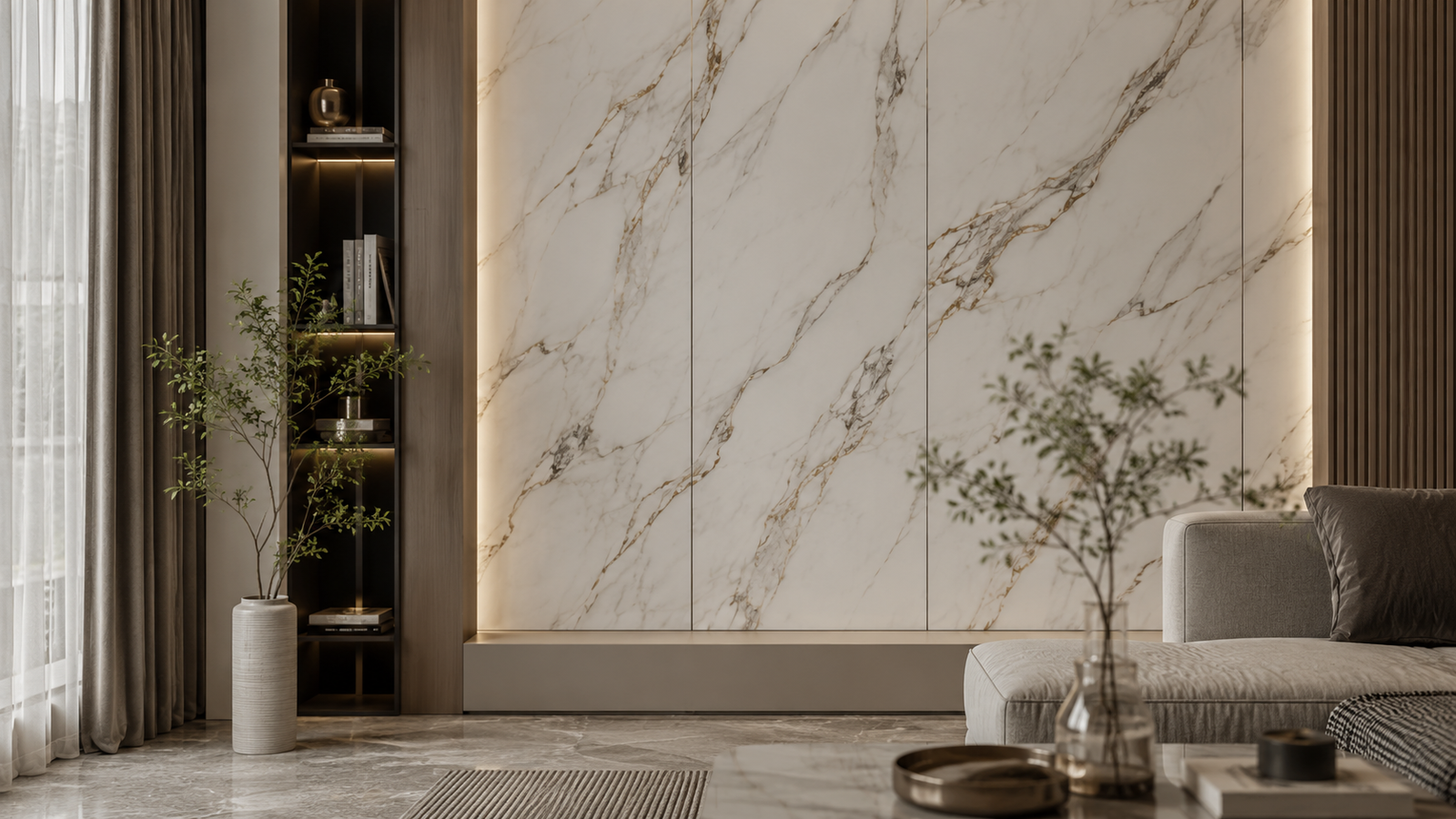
Walls used to be a backdrop. In modern interior design, they are the surface that does the heaviest visual work in a room. A considered wall finish can set the temperature of a space, anchor furniture, soften acoustics and shape how light moves across a room. This is why decorative wall panels have moved from a niche specification into mainstream architectural practice across homes, hospitality projects and high end retail.
This guide walks through the five core wall panel categories, how each one performs in real interiors, and how to choose the right one for the space you are working with. It is written for homeowners, interior designers and specifiers who want clarity before they commit to a finish.
Why Wall Panels Have Become Central to Modern Interior Design
For most of the last century, the dominant wall finish was paint over plaster. It was inexpensive, easy to apply and easy to refresh. But paint flattens a wall. It gives you colour without giving you depth, texture or material character.
Modern wall designs have shifted in a different direction. Designers are now treating walls as architectural surfaces that should carry texture, light and material identity in the same way a floor or a ceiling does. Wall panels make that possible without the cost or weight of solid stone, structural timber or bespoke joinery.
There is also a practical reason for the shift. Quality wall panels are quicker to install than traditional finishes, they conceal imperfect substrates, and they hold their appearance for years with minimal maintenance. For specifiers working to tight programme dates, this matters as much as the aesthetic.
The result is a category that now spans everything from honed marble veneers to fluted timber slats, from soft 3D reliefs to mirror finish gloss. Knowing what each material does well is the starting point for any good specification.
Understanding the Five Core Categories of Premium Wall Panels
At SKY Pannel, we group our range into five families. Each one solves a different design problem. The mistake most clients make is treating them as interchangeable. They are not.
Marble Wall Panels
Marble wall panels deliver the visual weight of natural stone without the structural load, the long lead time or the cost of solid slab. They are typically produced from a stone composite or a high resolution stone surface bonded to a stable backing board, which means they can be installed on standard plasterboard walls with no additional reinforcement.
Where they perform best is in rooms that need a single sculptural focal point. Behind a bed in a master suite, framing a fireplace, lining a feature wall in an entrance hall, or wrapping a TV media wall. The veining gives the surface natural variation, so two panels never look identical, which is what separates a premium installation from a mass produced finish.
Marble panels also handle moisture and temperature shifts well, which makes them a credible option for bathroom feature walls and behind kitchen splashbacks where solid stone would be either too heavy or too costly.
PVC Decorative Sheets
PVC decorative sheets are the most versatile product in the category. They are lightweight, fully waterproof, easy to clean and available in finishes that range from soft matte stone to brushed metallic and high definition wood grain.
Where designers reach for PVC sheets is in spaces that need a durable, low maintenance finish without losing the appearance of a premium material. Rented apartments, commercial fit outs, retail interiors, kitchens, utility rooms and bathrooms are all natural fits. They also cut cleanly on site, which makes them straightforward for trades to install around switches, sockets and corners.
The other advantage worth noting is environmental performance in humid conditions. Unlike timber or paper backed wallpapers, PVC sheets do not swell, peel or harbour mould, which extends the service life of the finish significantly.
Wooden Slat Panels
Wooden slat panels have become one of the defining details of contemporary interior architecture. The format is simple: vertical timber battens, usually in oak, walnut or smoked finishes, mounted on a felt or MDF backing.
What makes them so popular is the combination of three qualities. They add warmth without adding weight to the visual composition. They introduce rhythm and verticality, which makes ceilings feel taller. And they absorb sound, which is why you see them so often in studios, podcast rooms, restaurants and open plan living spaces where acoustic control matters.
Wooden slat panels work well as full wall installations or as inset panels within a larger composition. They pair particularly well with stone floors, plaster finishes and matte black metalwork, which is why they appear so often in the work of architects designing in a calm, material led palette.
3D Texture Panels
3D texture panels are sculptural. They introduce relief, shadow and movement to a wall surface, which transforms how the wall reads under different lighting conditions.
The patterns range from soft organic waves to geometric grids and architectural fluting. In a hotel lobby, a reception wall or a high end retail interior, they create a tactile centrepiece. In a residential setting, they work well in hallways, behind beds and in dining rooms where a single textured wall can carry the entire room.
The key consideration with 3D panels is lighting. Side lighting or a recessed wall washer brings out the relief. Flat ceiling lighting flattens it. Specifying the lighting alongside the panel is essential if you want the finish to perform the way the showroom image suggests.
High Gloss Panels
High gloss panels are the most contemporary finish in the range. The mirror level reflectivity bounces light around a room, makes smaller spaces feel larger, and pairs cleanly with modern joinery and minimal interiors.
They are commonly specified in compact apartments, modern kitchens, dressing rooms and feature walls in penthouses where the brief calls for clean lines and a sense of expansion. The finish also reads well in colour blocks, so designers often use them in dark navy, deep burgundy or charcoal to create depth in a controlled palette.
The trade off to flag is that high gloss surfaces show fingerprints and dust more than matte finishes. Specifying them in lower traffic zones, or pairing them with a soft micro fibre cleaning routine, keeps them looking new.
How to Choose the Right Wall Panel for Your Space
Choosing the right panel is rarely about the panel alone. It is about how the panel sits within the room. Four questions usually narrow the decision down quickly.
Consider the Room’s Purpose
A bedroom and a hotel reception are not solving the same design problem. A bedroom benefits from warmth, softness and acoustic absorption, which is why wooden slat panels often work well behind beds. A reception is solving for impact in the first three seconds, which is where marble or 3D texture panels earn their place.
Start with what the room is for, then choose the material that supports that function. The aesthetic follows naturally.
Match the Material to the Lighting
Every panel material has a lighting profile. Marble looks richest under warm directional lighting that picks up the veining. Wooden slats look best with grazing light along the slat direction. 3D panels need side or recessed wall washers to bring the relief forward. High gloss panels reflect everything, so the lighting and the surroundings need to be considered together.
If the lighting plan is already fixed, that should narrow the panel choice. If the panel is the priority, the lighting plan should be revisited.
Think About Maintenance and Longevity
Decorative wall panels are a long term finish. They should be specified with the same care as a floor. In high traffic areas, choose materials that wipe clean and resist scuffing. PVC decorative sheets and high gloss panels both perform well here. In lower traffic feature areas, marble and 3D panels deliver the strongest visual return.
Anyone specifying for a rental, hospitality or commercial project should weight maintenance heavily. The finish has to look as good in year three as it does on handover day.
Plan for Acoustic and Thermal Impact
Hard surfaces reflect sound. Soft and slatted surfaces absorb it. In open plan living rooms, restaurants and offices, acoustic comfort is often the difference between a space that feels calm and a space that feels exhausting. Wooden slat panels with a felt backing are one of the most effective ways to soften a room without compromising the architectural language.
Panels can also contribute to thermal performance on external walls, particularly when installed over an insulated substrate. It is worth raising this with your installer at the planning stage.
Where Modern Wall Panels Work Best
Residential Applications
In homes, wall panels are most commonly used in three places. Behind the bed, where they replace the traditional headboard with a full architectural backdrop. In the living room, where they frame the TV or fireplace and anchor the seating arrangement. And in entrance halls, where they set the tone of the home in the first few seconds.
Kitchens and bathrooms are growing categories too. Waterproof PVC sheets and stone effect marble panels are now widely specified as splashback and feature wall finishes, particularly in renovations where tiling the full wall would extend the programme by weeks.
Commercial and Hospitality Spaces
In commercial work, the priorities shift. Durability, installation speed and brand consistency all become more important. Hotels, restaurants, salons, clinics and retail stores rely on wall panels to deliver a premium feel within tight build schedules. A wall that would have taken a week to plaster, paint and detail can be finished in a day with a well specified panel system.
This is also where 3D texture panels and marble panels do their strongest work. They photograph well, which matters for hospitality brands where the interior is part of the marketing.
Installation, Care and Longevity
A premium finish is only as good as the surface it is installed onto. Walls should be dry, level and structurally sound before any panel is fitted. Old wallpaper, loose paint and damp patches all need to be resolved at the preparation stage. Skipping this work is the single most common reason a panel installation underperforms over time.
Most decorative wall panels are installed using a combination of adhesive and concealed fixings. PVC sheets and high gloss panels can usually be bonded directly. Wooden slat panels are typically mechanically fixed for long term stability. Marble and 3D panels often use a hybrid approach depending on weight and substrate.
For care, the general principle is simple. Wipe with a soft, slightly damp cloth. Avoid abrasive cleaners, solvent based products and aggressive scouring pads. High gloss and marble panels benefit from a non abrasive surface polish every few months to keep the finish looking fresh.
Specified and installed correctly, a quality wall panel system will hold its appearance for ten to fifteen years, often longer in lower traffic areas. That is a meaningful return on the initial investment compared with repainting every three or four years.
Common Design Mistakes to Avoid
A few patterns come up again and again when projects do not land the way the client hoped.
The first is over panelling. Wrapping every wall in a feature finish removes the contrast that makes the finish feel special. One strong wall, supported by calmer surfaces around it, almost always reads better than four competing walls.
The second is ignoring scale. A small 3D pattern on a vast wall disappears. A bold pattern in a small room overwhelms it. The panel scale needs to be considered in relation to the room dimensions and the viewing distance.
The third is mismatched materials. Marble, gloss and 3D panels in the same room rarely work. Pick one material to lead the room and let the others support it with calmer finishes.
The fourth is poor lighting integration. The lighting and the panel should be specified together. Treating them as separate decisions is the fastest way to end up with a finish that looks better in the brochure than in the actual room.
Bringing the Right Wall Panel into Your Project
Choosing a wall finish is one of the most visible decisions in any interior. The right specification lifts a project. The wrong one quietly undermines everything else around it.
If you are planning a renovation, a new build or a commercial fit out, the next step is usually a sample. Looking at a panel in your own light, against your own floor and furniture, is the only reliable way to know it is the right choice for the space.
Explore the SKY Pannel collection or order samples to see how each material performs in your project.
Frequently Asked Questions
Are wall panels suitable for bathrooms and kitchens?
Yes, with the right specification. PVC decorative sheets and stone effect marble wall panels are waterproof and perform well in bathrooms, shower areas and kitchen splashbacks. Wooden slat panels and 3D panels are better suited to drier rooms unless they are sealed and positioned away from direct water contact.
How long do premium wall panels last?
A correctly installed wall panel system in a residential setting will typically hold its appearance for ten to fifteen years, often longer. Commercial environments with higher footfall may see a shorter visual life, which is why durability should be weighted heavily in those specifications.
Can wall panels be installed over existing walls?
In most cases, yes. The existing wall needs to be clean, dry and structurally sound. Loose paint, wallpaper or damp patches should be resolved before installation. A qualified installer will assess the substrate and recommend any preparation work.
Are decorative wall panels easy to maintain?
For everyday care, a soft cloth and a mild cleaner are sufficient. High gloss and marble panels benefit from an occasional non abrasive polish. Avoid solvent based or abrasive cleaners, which can damage the surface over time.
Do wooden slat panels help with sound?
Yes. The slat profile combined with a felt or acoustic backing absorbs reflected sound, which softens the acoustics of open plan rooms, dining areas and home offices. This is one of the main reasons they are specified so widely in modern interiors.
Can wall panels increase property value?
A well specified wall finish contributes to the perceived quality of a home, which is one of the factors buyers respond to during viewings. The finish should be considered alongside flooring, lighting and joinery as part of the overall material palette.
What is the difference between PVC sheets and traditional wallpaper?
PVC decorative sheets are waterproof, washable and dimensionally stable. Traditional wallpaper is paper backed, vulnerable to moisture, and tends to peel or discolour over time in humid rooms. For modern interiors, particularly in kitchens and bathrooms, PVC sheets are the more durable choice.
How do I choose between marble, wood, 3D and gloss panels?
Start with the function of the room and the lighting plan. Marble suits sculptural focal points. Wooden slats add warmth and acoustic absorption. 3D panels create texture and movement. High gloss expands compact spaces. Most well designed rooms lead with one material and use calmer finishes around it.
Plan Your Wall Finish with SKY Pannel
The right wall panel is a decision that pays back every time you walk into the room. Whether you are designing a private residence, a hospitality project or a commercial fit out, our team can guide you through material selection, samples and installation planning.
Browse the collection, request samples, or speak to our specification team to start your project.
