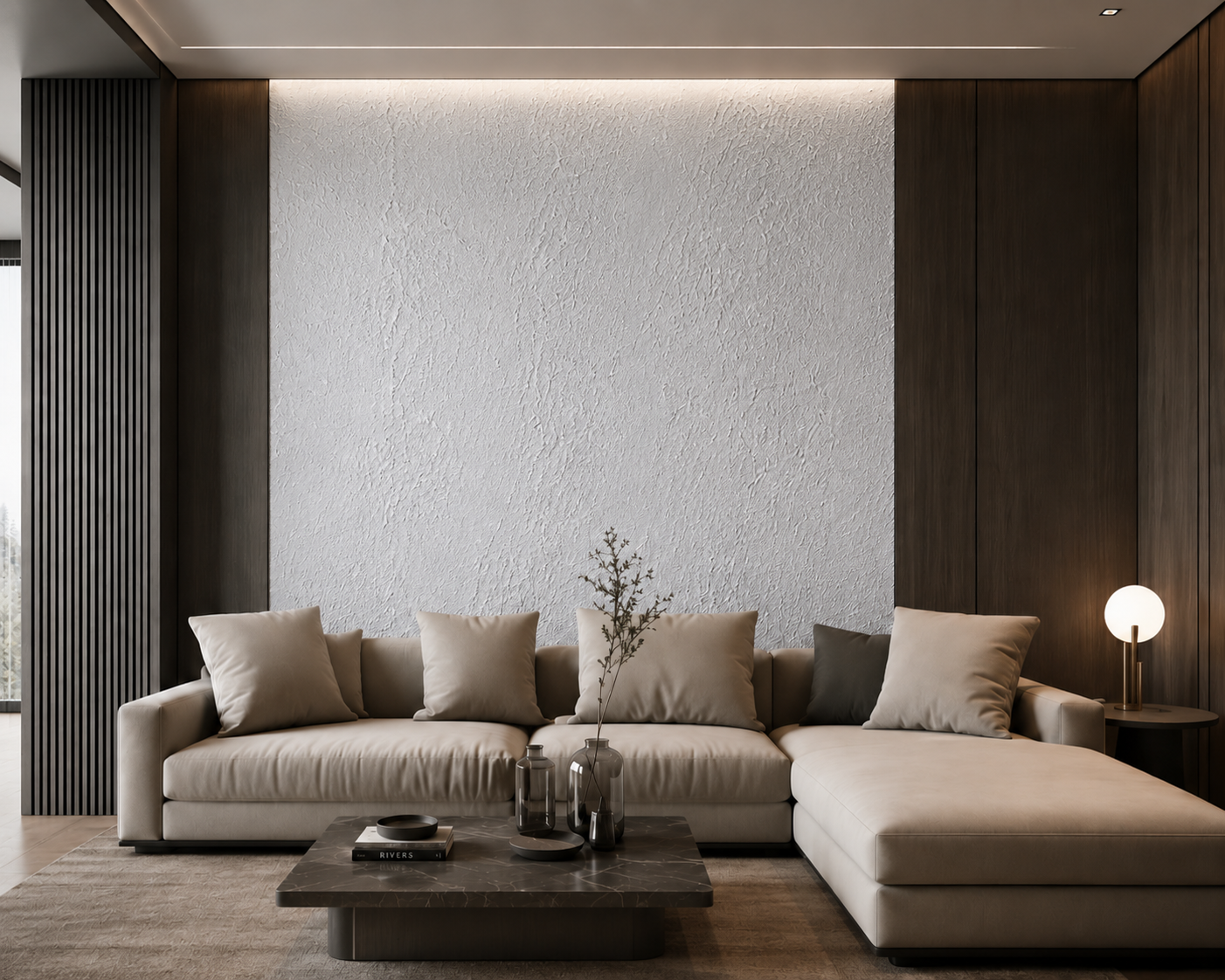
Exposed stone walls carry a rugged, textured character. Flat paint or smooth panelling cannot copy that look. Real stone cladding delivers it, but it brings serious weight. It also demands a slow masonry process and a price tag most homes cannot justify. Soft stone wall stickers solve this problem directly.
Soft stone wall stickers reproduce the raised, three dimensional texture of natural rock and rammed earth. They come in a lightweight, flexible sheet. You get the depth and shadow play of real stone, without the structural load or months of building work. This makes the material one of the more distinctive additions to Sky Build Mart’s wall décor range.
This guide covers everything you need before choosing soft stone wall stickers. It explains what the material is and why it suits Pakistani homes. It walks through every finish in the collection. Installation, care, and a comparison with real stone cladding and exposed brick follow after that.
Table of Contents
- What Are Soft Stone Wall Stickers?
- Why Soft Stone Wall Stickers Suit Pakistani Homes
- Cave Stone and Dacite Textures
- The Rammed Earth Texture Collection
- Room by Room Guide to Using Soft Stone Wall Stickers
- How to Install Soft Stone Wall Stickers
- Cleaning and Maintaining Soft Stone Wall Stickers
- Soft Stone Compared to Real Stone Cladding, Brick, and Tiles
- Pairing Soft Stone with Other Finishes
- Common Mistakes to Avoid
- Popular Soft Stone Design Trends
- Cost Considerations and Long Term Value
- How to Choose the Right Soft Stone Finish
- Frequently Asked Questions
- Final Thoughts
What Are Soft Stone Wall Stickers?
Soft stone wall stickers are flexible sheets. They copy the raised texture of natural stone or compacted earth. Manufacturers build each sheet from a blend of mineral powder, resin, and a flexible backing material. This combination lets the sheet bend around curves. It still holds a genuine three dimensional surface once fitted to a wall.
A flat printed sticker only shows a pattern on top. Soft stone carries real relief instead. Run a hand across the surface and you feel ridges, pits, and rough patches, just as you would on quarried rock. The colour runs through the material itself rather than sitting on a printed layer. Minor surface wear does not reveal a different colour underneath as a result. This is one of the clearest ways to tell a genuine soft stone panel apart from a cheaper printed imitation. Scraping a fingernail lightly across a real soft stone surface reveals the same tone all the way through.
How the Material Is Made
Producers press the mineral resin blend into a mould. That mould carries the exact texture of the target stone or earth surface. Heat and pressure cure the sheet into a semi-rigid but still flexible panel. A self-adhesive or construction adhesive backing then lets installers fix the sheet to a prepared wall, corner, or column.
The mould captures fine detail, so no two sections look perfectly identical. Natural stone shows the same quality. This subtle variation is part of the appeal. It gives a wall genuine texture, rather than the repeating, obviously artificial pattern a printed vinyl sheet sometimes shows.
Why Soft Stone Wall Stickers Suit Pakistani Homes
Pakistan’s building stock covers everything from modern apartment blocks to older houses with thick, traditional walls. Soft stone wall stickers work across both. The material brings specific advantages that suit local conditions.
Climate and Moisture Resistance
The resin content in soft stone panels resists water absorption far better than raw plaster or untreated masonry. This matters in humid coastal cities. It also matters during monsoon season, when damp can creep into porous wall finishes. A soft stone panel sheds moisture at the surface instead of soaking it in.
The material also resists fading under strong sun exposure. Mineral colour runs through the panel rather than sitting on a printed layer. Direct light causes far less visible fading than it does with painted or wallpapered surfaces over the same period.
Weight and Structural Ease Against Real Stone
Genuine stone cladding is heavy. It often needs reinforced fixings and additional structural support. A skilled mason usually needs to install it safely. Soft stone wall panels weigh a small fraction of solid rock. Standard wall fixings and basic adhesive handle the job instead. This removes the structural planning real stone cladding demands. It also opens the finish up to interior walls that could never support genuine masonry.
Cave Stone and Dacite Textures
Two of Sky Build Mart’s soft stone finishes reproduce distinct natural rock surfaces. Each suits a slightly different design direction.
The Ivory 3D Cave Stone Soft Stone Wall Sticker copies the pitted, uneven surface of natural cave rock. Deep shadow lines run across an ivory toned base. This gives the wall genuine depth under any angle of light. The finish suits feature walls that need to read as a real geological surface. Many designers use it behind a fireplace or as a backdrop for indoor plants, since the organic texture pairs naturally with greenery.
The White Dacite Soft Stone Wall Sticker takes its texture from dacite, a pale volcanic rock. Its grain runs finer and more even than cave stone. The white base carries subtle grey shadowing across small, tightly packed surface variations. This gives a calmer, more refined stone look. It suits modern interiors that want texture without the heavier drama of the cave stone finish.
The Rammed Earth Texture Collection
Rammed earth construction has a long history in traditional building. Builders formed it by compacting layered soil into a solid wall. Sky Build Mart’s rammed earth soft stone range reproduces that layered, striated look across three distinct colourways.
Neutral and Warm Rammed Earth Tones
The Ivory Rammed Earth Soft Stone Wall Sticker reproduces the horizontal banding of compacted earth in a soft ivory tone. Fine texture variation runs across each layer line. This gives the wall a subtle, organic rhythm, suiting bedrooms and living rooms where a calmer, neutral backdrop works better than a bold feature.
The Terracotta Rammed Earth Soft Stone Wall Sticker takes the same layered texture into a warm, reddish clay tone. Its colour echoes traditional adobe and clay brick construction, which makes it a strong choice for rustic or Mediterranean inspired interiors. It works particularly well in dining areas and courtyards, where a warm earth tone brings a grounded, welcoming feel.
Cool Rammed Earth Finish
The White Rammed Earth Soft Stone Wall Sticker keeps the same striated texture but shifts the palette to a bright, near white base. This finish suits contemporary interiors. It carries the rammed earth pattern without the warmer, rustic colour that terracotta or ivory bring. It reflects more light than the other two rammed earth options too, which makes it useful in rooms with limited natural daylight.
How Soft Stone Differs from Standard Wall Stickers
Sky Build Mart also stocks flat printed products such as marble and metal wall stickers. Soft stone works on a different principle entirely. A flat sticker relies on a printed image to suggest texture through shading and pattern alone. Soft stone builds that texture physically into the sheet itself.
This distinction matters most under direct or angled light. A flat sticker can look convincing from straight on. The illusion often flattens out under a strong side light, though, since there is no real shadow for the light to catch. Soft stone keeps its depth from every angle, because the ridges and pits are genuinely raised above the surface rather than printed onto it.
The trade-off runs the other way for weight and flexibility. Flat vinyl stickers weigh very little and wrap tightly around detailed trim. Soft stone panels carry more heft and need a firmer adhesive bond. This is why the two products suit slightly different parts of a project even when used in the same room.
Soft Stone and Traditional South Asian Building Character
Rammed earth and stone construction have a long history across South Asia. Older havelis, forts, and rural homes often used compacted mud and local stone as their primary building material, long before modern brick and concrete became standard. That history gives rammed earth and stone textures a genuine cultural resonance in Pakistani interiors, rather than a purely imported aesthetic trend.
Modern homeowners renovating older properties sometimes use soft stone panels to echo original stone or mud wall sections elsewhere in the building. This creates visual continuity between old structural elements and newer interior work. This approach lets a renovation nod to a property’s history without the cost or complexity of restoring genuine aged masonry.
The same appeal carries into new build projects. Architects and interior designers increasingly specify textured, earth toned finishes to bring warmth and a sense of place into otherwise modern apartment interiors. Soft stone offers an accessible way to achieve that look without commissioning custom stonework.
Sustainability and Practical Considerations
Soft stone panels use less raw material than a solid stone slab of equivalent wall coverage. The mineral resin blend forms a thin, textured layer rather than a thick block of quarried rock. This also reduces the transport weight involved in getting the product from factory to site, compared with shipping genuine stone.
Because installation avoids demolition or structural alteration, projects using soft stone generate far less construction waste than a genuine masonry retrofit. For renovation projects in occupied homes, this also means less disruption, dust, and noise during the work itself.
Room by Room Guide to Using Soft Stone Wall Stickers
The raised texture of soft stone changes how a room feels more than a flat finish does. It pays to think carefully about where you use it.
Living Areas and Entryways
Living rooms. A single feature wall in Ivory 3D Cave Stone or White Dacite creates a strong architectural focal point. It works particularly well behind a sofa or fireplace. The texture catches ambient light differently through the day, keeping the wall visually interesting.
Entryways. Terracotta Rammed Earth by a front door gives visitors an immediate sense of warmth and craftsmanship. It sets the tone for the rest of the home.
Bedrooms and Outdoor Adjacent Spaces
Bedrooms. Ivory Rammed Earth suits a bedhead wall well. The muted tone and gentle texture add interest without disrupting a restful atmosphere.
Balconies and covered outdoor seating. Soft stone resists moisture and fading well. This lets it hold up in covered outdoor spots such as a balcony wall or a shaded courtyard corner, bringing an outdoor stone feel without the weight of real masonry.
Work Spaces and Circulation Areas
Home offices. Ivory Rammed Earth or White Dacite behind a desk brings texture into a workspace without the visual noise a bold pattern might create, keeping focus on the work itself.
Staircases and hallways. A soft stone accent running along a stairwell wall turns an otherwise plain circulation space into a genuine design feature. This works particularly well when paired with warm downlighting that catches the texture as people move past.
Commercial and Hospitality Spaces
Restaurants and cafes. Soft stone textures bring an artisanal, natural feel that suits hospitality interiors well. White Dacite works particularly well in bright, minimalist cafe spaces. Terracotta Rammed Earth suits warmer, rustic dining concepts instead.
Retail interiors. Boutique shops increasingly use a soft stone feature wall behind product displays. The texture adds a tactile, premium quality that plain paint cannot match.
How to Install Soft Stone Wall Stickers
Soft stone panels install with more care than a thin vinyl sheet, since the material carries real thickness and texture. The process still stays well within reach of a confident DIY project.
Preparing the Wall
Clean the wall thoroughly. Remove dust, grease, and any flaking paint or plaster. Soft stone panels need a stable, structurally sound surface, so fill any cracks or holes first. Let repairs cure fully before you continue. Check that the wall sits reasonably flat, since deep dips or bulges can show through the finished texture.
Fixing the Panels
Apply a suitable construction adhesive to the back of each panel. Follow the coverage the product instructions recommend. Press the panel firmly into place, working from one edge across to the other to push out any trapped air. Hold or brace larger panels briefly while the adhesive begins to grip, particularly on vertical sections.
Butt adjoining panels together carefully to keep the texture pattern flowing naturally across the seam. Trim edge pieces with a sharp utility knife around corners, sockets, and skirting boards. A grout style filler in a matching tone can disguise any visible seams once the adhesive fully cures. Take a step back periodically during fitting to check the overall pattern flow, since small misalignments are far easier to correct before the adhesive sets than after.
Allow the full curing time the manufacturer states before touching or cleaning the wall. This typically runs longer than a vinyl sticker, since the heavier material needs a firmer bond before it can handle contact.
Cleaning and Maintaining Soft Stone Wall Stickers
Routine cleaning stays simple. A soft brush or a dry cloth removes dust from the textured surface, working into the grooves where dust tends to settle. For deeper cleaning, a slightly damp cloth with a mild cleaner lifts most marks without damaging the finish.
Avoid pressure washing or aggressive scrubbing directly into the textured relief. Forceful cleaning can wear down fine surface detail over time. Keep harsh chemical cleaners away from the panels too, since these can affect the resin binder that holds the mineral texture together.
The colour runs through the material rather than sitting on a printed surface. Minor scuffs and light wear show up far less than they would on a painted wall, which keeps the finish looking intentional even after years of use.
Soft Stone Compared to Real Stone Cladding, Brick, and Tiles
It helps to see soft stone next to the traditional alternatives it replaces.
Real stone cladding offers unmatched authenticity and lasts for generations. It also carries significant weight, needs structural reinforcement, and requires a skilled mason for proper installation.
Exposed brick brings a similar rustic, textured appeal. Retrofitting genuine brick onto an existing wall means demolition, rebuilding, and considerable mess and cost, though.
Tiles with a stone effect print offer durability and a hard surface. They stay flat, though, so they cannot reproduce the raised, three dimensional texture that makes real stone visually compelling in the first place.
Soft stone wall stickers capture genuine texture and depth in a lightweight sheet. Installation takes a day rather than weeks. The material resists moisture well, and the cost sits far below real stone or brick retrofitting. The trade-off is impact resistance, since soft stone will not match quarried rock against heavy, sustained physical force.
Pairing Soft Stone with Other Finishes
Soft stone rarely needs to cover an entire room to make an impact. Many homeowners use it as a single accent wall alongside WPC wood panelling on the surrounding walls. This lets the textured stone contrast with the smoother wood grain finish nearby.
Marble wall stickers and soft stone panels also combine well in bathrooms and feature wall projects. A polished marble vanity wall sitting beside a textured cave stone or rammed earth accent creates real contrast between smooth and rough surfaces in the same room.
In outdoor adjacent spaces such as covered balconies, soft stone panels pair naturally with metal wall stickers in bronze or black tones. This echoes the look of stone and metal architectural details found in higher end outdoor design.
Golden foil wall stickers offer a third pairing option for interior schemes that want a touch of shine alongside the raw, natural texture of soft stone. A small foil accent panel next to a larger rammed earth feature wall creates a balance between polished and rustic elements, a combination increasingly common in contemporary Pakistani interior design.
Common Mistakes to Avoid
Underestimating Wall Preparation
Soft stone panels carry real weight compared with a thin vinyl sheet. Fitting them onto a poorly prepared or unstable wall risks the panel coming loose over time. Take the extra time to check the wall is sound before you begin.
Mismatching Panel Orientation
Rammed earth textures run in a clear horizontal direction. Fitting panels upside down or at an inconsistent angle breaks the visual flow across a wall. Lay panels out and check the direction before applying adhesive to avoid this simple but noticeable error.
Rushing the Cure Time
Touching or leaning objects against a freshly fitted panel before the adhesive fully cures can shift the material out of position. Follow the manufacturer’s stated cure time, even when it feels like an inconvenient wait. This protects the finished result.
Popular Soft Stone Design Trends
Textured feature walls have grown steadily in popularity across Pakistani interiors. Homeowners are moving away from the flat, uniform surfaces that dominated the past decade. Soft stone answers this shift directly, giving genuine depth without a masonry budget.
Earthy, warm tones such as Terracotta Rammed Earth have found particular favour in interiors influenced by biophilic and organic design trends. Natural materials and muted colour palettes take priority over glossy, manufactured finishes in these spaces.
In commercial design, cave stone textures increasingly appear in hospitality and wellness spaces such as spas, yoga studios, and boutique hotels. A rugged, natural backdrop supports a calmer, grounded atmosphere for visitors in these settings.
Lighting design has evolved alongside this trend too. Designers increasingly pair soft stone feature walls with warm, low angled lighting fixtures. Raking light across the textured surface exaggerates the shadow detail and makes the material feel even more dimensional after dark. This pairing has become particularly common in restaurant and boutique retail fit-outs, where atmosphere plays a large role in the overall design brief.
Cost Considerations and Long Term Value
Soft stone wall stickers cost meaningfully less than genuine stone cladding, both in material price and installation labour. A feature wall that would demand skilled masonry and structural work in real stone can finish in a single day using soft stone panels instead.
The panels need no reinforced fixings or additional structural support. Projects avoid the hidden costs that often accompany genuine stone retrofits, such as engineering assessments or wall strengthening work.
Soft stone typically holds its appearance well over the life of the wall. The colour sits through the material rather than on a surface print. This reduces the likelihood of an early refresh compared with painted textured finishes, which often need touch ups as colour fades unevenly across a textured surface.
Factor in panel coverage when comparing prices too. Because soft stone panels carry genuine depth, a single sheet often covers less wall area than a thin vinyl product at the same price point. Checking coverage per pack, rather than price per pack alone, gives a fairer comparison across different soft stone and cladding options.
Budgeting by feature rather than by whole room also helps control costs. Most soft stone projects work best as a single accent wall rather than full room coverage. Calculating the exact panel count for that one wall, plus a small margin for cutting waste, usually keeps the project well within a modest renovation budget.
How to Choose the Right Soft Stone Finish
A few simple questions narrow the decision quickly.
Think about the mood you want the room to carry. Ivory 3D Cave Stone suits a dramatic, rugged feature wall. White Dacite offers a calmer, more refined texture for contemporary interiors instead.
Consider the room’s existing colour palette. Terracotta Rammed Earth pairs naturally with warm wood tones and clay accents. White Rammed Earth suits cooler, brighter interiors that want texture without added warmth.
Factor in the room’s light levels. Lighter finishes such as White Dacite or White Rammed Earth reflect more light. This helps rooms with limited natural daylight feel less closed in.
Finally, request a sample piece before committing to a full wall. Texture and colour depth can look different under your own lighting compared with a product photo. Handling the actual material first avoids any surprises.
Where Not to Use Soft Stone Panels
Soft stone performs best on vertical interior walls and sheltered outdoor areas, but a few situations call for a different material instead. Areas that see constant, direct water contact, such as inside a shower enclosure, need a fully waterproofed tiling system rather than a resin based panel. Sustained standing water sits beyond what the material is designed to handle.
Floors are also outside the intended use for this product. Soft stone panels are built for wall mounting, not for foot traffic, so a dedicated floor tile or stone effect flooring product suits those areas instead. Walls that flex or move, such as those in some lightweight partition constructions, need extra care during installation too. Ongoing movement can eventually stress the adhesive bond over time.
Frequently Asked Questions
Material and Durability Questions
Are soft stone wall stickers actually made from real stone?
They contain a blend of mineral powder and resin rather than solid quarried rock. This keeps the material lightweight while still capturing a genuine textured, stone like surface.
Do soft stone panels resist water?
Yes. The resin content sheds moisture at the surface, which makes soft stone a strong choice for humid rooms and covered outdoor spaces.
Will the colour fade over time?
Soft stone resists fading better than painted or printed surfaces. The colour runs through the material itself rather than sitting on a thin top layer.
How heavy are soft stone wall panels compared with real stone?
They weigh a small fraction of genuine quarried rock. Standard wall fixings and adhesive handle installation without extra structural support as a result.
Installation and Purchasing Questions
Can I install soft stone wall panels myself?
Yes, with basic tools and a careful approach. The process takes longer than a thin vinyl sticker, since the panels carry more weight and need a full adhesive cure before use.
Do soft stone panels work on curved surfaces?
Gentle curves are possible thanks to the flexible backing. Sharp or tight curves need careful planning and, in some cases, a professional installer.
How do I clean the textured surface without damaging it?
A soft brush or slightly damp cloth handles routine dust and marks well. Avoid pressure washing or harsh scrubbing directly into the raised texture.
Can soft stone wall stickers be used outdoors?
They perform well in covered, sheltered outdoor spots such as a balcony or veranda. Direct, prolonged exposure to rain and sun calls for a purpose built exterior cladding instead.
Do soft stone panels need sealing after installation?
No. The resin content in the material provides its moisture resistance from the outset, so no separate sealing step is necessary once the panels are fitted.
Can I paint over soft stone panels to change the colour?
It is possible with a suitable masonry paint. This covers the natural mineral variation that gives the material its authentic look, though, so most homeowners choose a finish they are happy with from the outset instead.
What tools do I need to install soft stone wall panels?
A tape measure, a sharp utility knife, a notched trowel or adhesive spreader, and a suitable construction adhesive cover most standard installations without any specialist equipment.
Final Thoughts
Soft stone wall stickers bring genuine texture and depth to a wall without the weight, cost, or lengthy installation of real stone cladding. Across the cave stone, dacite, and rammed earth textures, Sky Build Mart’s range covers a distinctive design direction that flat finishes simply cannot match. It also connects naturally to the stone and earth building traditions found across the region.
Whether you are building a dramatic living room feature wall or warming up an entryway, soft stone wall stickers deliver a tactile, natural finish. It holds its character for years, even in a covered outdoor space. The lightweight, self-adhesive format means a project that would once have needed a mason and several weeks can now finish over a single weekend. Browse the full Soft Stone Wall Stickers category at Sky Build Mart to compare every texture before you make your final choice.
